Basic Obedience Training for Dogs: A Step-by-Step Guide
Published on September 30 by Ramona
Basic obedience training is essential for any dog owner. It not only helps to ensure a well-behaved pet but also strengthens the bond between you and your furry friend. Here's a step-by-step guide to get you started:
1. Start Early:
Puppy Training: Begin training your puppy as soon as you bring them home. Puppies are more receptive to learning at a young age.
Adult Dogs: It's never too late to train an adult dog. Be patient and consistent, and use positive reinforcement techniques.
2. Choose a Training Method:
Positive Reinforcement: This is the most recommended method. Reward your dog with treats, praise, or playtime when they perform the desired behavior.
Clicker Training: Use a clicker to mark the exact moment your dog performs the correct behavior, followed by a reward.
3. Basic Commands:
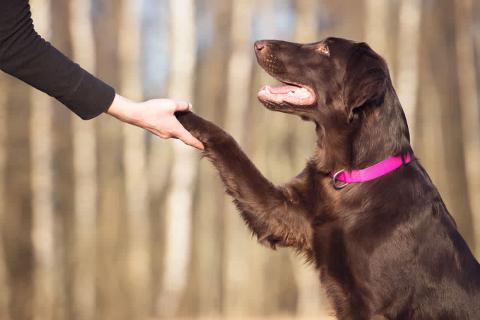
Sit: Hold a treat slightly above your dog's nose. As they look up, gently guide their bottom down. Reward when they sit.
Stay: Once your dog sits, say "stay" and slowly move away. Return and reward if they remain in position.
Come: Call your dog's name and use a happy tone. Reward them when they come to you.
Down: Hold a treat close to the ground. As your dog follows it, gently guide their chest down. Reward when they lie down.
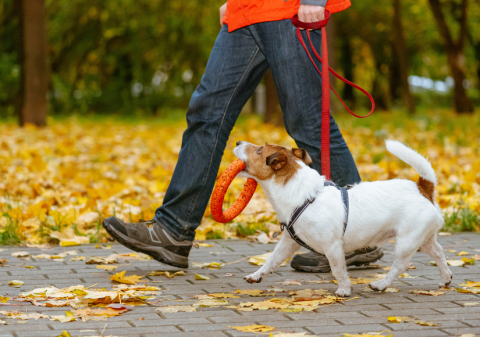
Heel: Walk at a steady pace, keeping your dog by your side. Reward them for staying close.
4. Practice Regularly:
Short Sessions: Keep training sessions short and positive to avoid overwhelming your dog.
Consistency: Use the same commands and rewards consistently.
Vary the Environment: Practice in different settings to help your dog generalize their training.
5. Address Common Issues:
Barking: Teach your dog the "quiet" command to reduce excessive barking.
Jumping: Discourage jumping by ignoring your dog when they jump. Reward them when they sit calmly.
Chewing: Provide your dog with appropriate chew toys to prevent destructive chewing.
6. Professional Help:
Consider a Trainer: If you're struggling with training, consider consulting a professional dog trainer for personalized guidance.
Remember, training should be a fun and bonding experience for both you and your dog. Be patient, consistent, and use positive reinforcement to build a strong relationship and a well-behaved pet.
Discover More Content
Loose Leash Walking Explained: The Good, the Bad, and the Training
Dog Treats Done Right: Training, Bonding, and Positive Reinforcement
Is It Normal for Female Dogs to Hump? Here’s Why It Happens